What Is Co-Fermented Coffee?
In recent years, some specialty coffees have started appearing with flavor notes that seem unusually intense.
You might see notes like tropical candy, cinnamon, lychee, or fruit punch.
Often, these coffees are described as co-fermented.
But what does that actually mean?
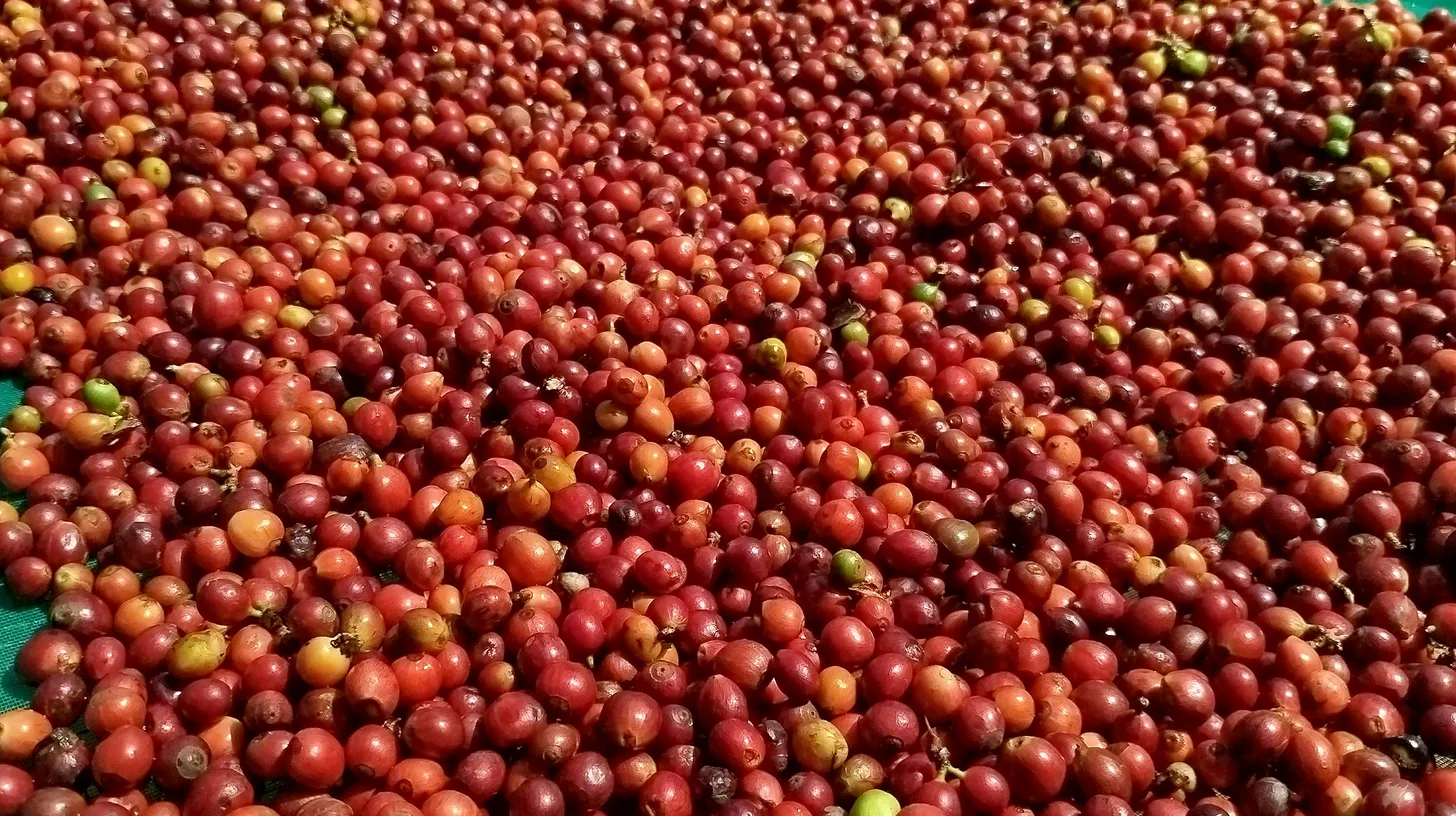
Starting with fermentation
Nearly all coffee experiences some fermentation after harvest.
During processing, naturally occurring microorganisms interact with sugars in the coffee fruit. This helps break down layers surrounding the seed and influences how the coffee ultimately tastes.
Traditional methods like washed, natural, and honey processing all involve fermentation in different ways.
What co-fermented means
The coffee industry does not yet use one perfectly standardized definition. Most often, "co-fermented" means coffee was fermented with a non-coffee material introduced alongside the cherries or pulped coffee.
That material might include:
- fruit, juice, or fruit pulp
- spices
- other sugar-rich materials
The goal is to influence the fermentation process and create more distinctive or expressive flavor profiles in the final cup.
A selected yeast or bacteria culture is different: that is usually called inoculated fermentation and does not automatically make the coffee co-fermented. Because producers and sellers use these terms differently, the specific process description matters.
Why producers experiment with it
Coffee producers are constantly exploring ways to create unique flavor experiences.
Co-fermentation can produce coffees that taste:
- intensely fruity
- highly aromatic
- unusually sweet
- more expressive than traditional processing methods
For some producers, it is also a way to differentiate their coffees in the specialty market.
Why the topic is debated
Co-fermented coffees are still relatively new, and opinions about them vary within specialty coffee.
Some people enjoy the creativity and bold flavor profiles.
Others prefer more traditional processing methods that highlight the natural character of the coffee itself without outside influence during fermentation.
Neither perspective is necessarily right or wrong. They simply reflect different approaches to flavor.
Does co-fermented mean flavored coffee?
Not exactly.
Traditional flavored coffee usually involves adding flavoring oils after roasting.
With co-fermentation, an added material influences flavor during processing at origin rather than being sprayed onto roasted beans.
That said, the resulting flavors can sometimes taste surprisingly intense or unconventional compared to more traditional coffees.
Because an outside ingredient is still part of the process, clear disclosure helps customers understand what they are tasting.
One common myth
Some people assume co-fermented coffee is automatically better or more advanced than traditional processing methods. In reality, the term usually means a non-coffee material such as fruit or spices was introduced during fermentation to influence flavor. Quality still depends on the coffee, careful processing, a balanced cup, and transparent disclosure of what was added.
Where we stand
At Pine Flat Roastery, we care most about coffees that feel balanced, expressive, and enjoyable to drink.
Traditional washed, natural, and honey processed coffees remain the foundation of what we roast most often. At the same time, some co-fermented coffees can be genuinely exceptional when the processing is done carefully and the flavors remain clean and intentional.
If we offer one, we will identify it as co-fermented and share the known adjuncts and process details. Flavor notes alone should never be used to hide how a coffee was made.
Coffee processing continues to evolve, but the goal remains the same: to produce a cup that feels intentional, balanced, and enjoyable to drink.
Explore what shapes flavor.
Want to explore expressive coffees? Explore our current roasts.
Continue learning
Frequently asked questions
- What is co-fermented coffee?
- The term usually describes coffee fermented with a non-coffee material, such as fruit or spices, during processing at origin. Usage varies, so look for the producer's specific process details.
- Is co-fermented coffee flavored coffee?
- It is not the same as adding flavoring oils after roasting. An outside ingredient does influence flavor during fermentation, however, which is why transparent labeling matters.
- Does co-fermented coffee taste natural?
- Some cups taste balanced and expressive, while others can taste heavy-handed. The result depends on the coffee and how carefully fermentation is managed.
- Does Pine Flat Roastery offer co-fermented coffee?
- We are open to innovative processing when the cup is balanced, traceable, and enjoyable. If we offer a co-fermented coffee, we will clearly identify it and share the known process details.