Is Dark Roast Just Burnt Coffee?
One of the most common debates in specialty coffee is whether dark roast coffee is simply "burnt."
The answer is more nuanced than that.
A poorly roasted dark coffee can taste harsh, ashy, or dominated by acrid smoke. But a well-developed dark roast is something very different.
Like any roast level, the result depends on how carefully the coffee is roasted.
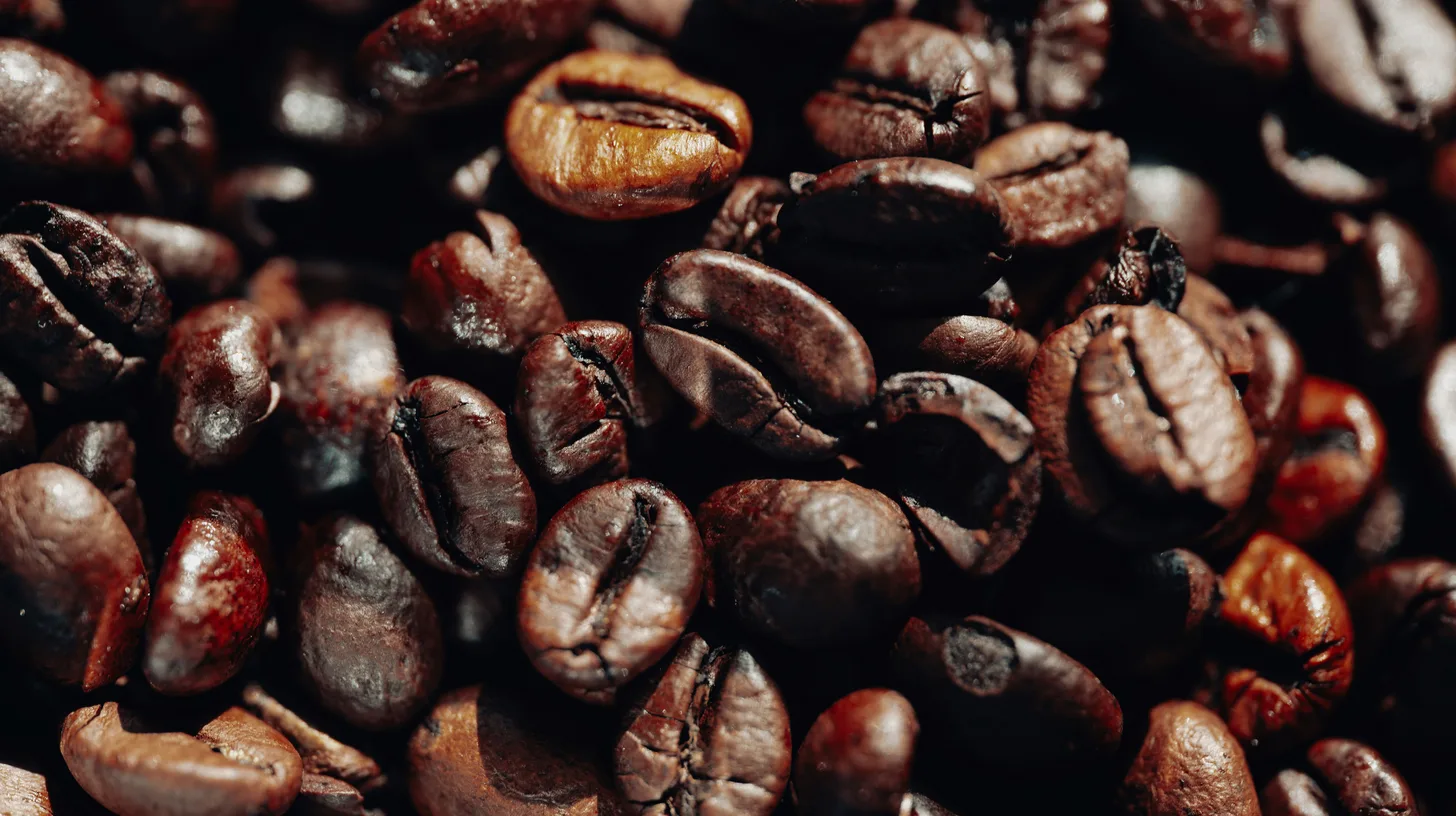
What changes as coffee roasts darker
As roasting continues beyond first crack, the coffee develops further through caramelization and structural changes inside the bean.
Sugars darken, acidity softens, and roast-driven flavors become more pronounced.
Compared to lighter roasts, darker coffees often develop:
- deeper chocolate notes
- roasted nuts
- lower acidity
- heavier body
- more bittersweet flavors
At the same time, some of the origin-specific characteristics become less prominent as roast character takes a larger role.
Where burnt flavors come from
Coffee begins tasting burnt when roast development becomes excessive or uneven, or when smoke and chaff are not managed well.
This can happen when:
- too much heat is applied too quickly
- airflow is poorly controlled
- development continues too far past the intended roast point
The result may taste:
- ashy
- charred or acridly smoky
- harsh
- dry
A gentle smoky note can be an intentional part of some dark-roast styles. When smoke or ash erases sweetness and the coffee's remaining character, the roast has gone too far or the roasting environment was not controlled well.
Dark roast still requires precision
One misconception about dark roasting is that it is easier than lighter roasting.
In reality, darker profiles often require very careful control to avoid harshness while still developing sweetness and body.
Small adjustments in:
- airflow
- burner power
- roast timing
- development after first crack
can dramatically change the final cup.
A well-executed dark roast should still taste balanced and intentional.
Roast level is about flavor preference
Different roast levels simply emphasize different aspects of the coffee.
Lighter roasts tend to highlight:
- acidity
- floral notes
- fruit character
- origin clarity
Darker roasts tend to emphasize:
- body
- caramelization
- roast character
- bittersweet flavors
Neither approach is automatically better than the other.
One common myth
Many people assume dark roast is simply burnt coffee. In reality, a well-developed dark roast can be rich and intense without being dominated by char, ash, acrid smoke, or harsh dryness. Burnt flavors are a roasting fault, not the definition of a dark roast.
Where we stand
At Pine Flat Roastery, we tend to favor balanced medium roasts because they preserve sweetness and origin character while still feeling comforting and approachable.
At the same time, we appreciate darker profiles when they are roasted with care and restraint rather than pushed toward bitterness or smoke.
For us, the goal is not simply roasting lighter or darker. It is producing coffee that feels balanced and enjoyable to drink.
Dark roast is not automatically burnt coffee.
Like any roast style, it reflects the choices and control of the roaster behind it.
Keep learning.
Want to explore balanced roasts? Explore our current coffees.
Continue learning
Frequently asked questions
- Is dark roast coffee burnt?
- Not automatically. A dark roast can be intentionally developed and balanced. Burnt coffee is dominated by ash, char, acrid smoke, or harsh dryness with little sweetness left.
- Why does dark roast taste stronger?
- Dark roasting creates deeper roast-driven flavors and often more bitterness, which can make the cup taste stronger even when caffeine is similar.
- Can dark roast be specialty coffee?
- Yes. Roast level does not determine whether a coffee has distinctive attributes and added market value. A dark roast can still be clean, balanced, and intentional.
- How do I know if dark roast is over-roasted?
- Over-roasted coffee is often dominated by ash, char, acrid smoke, or dryness, with little sweetness or coffee character left.