Why Coffee Tastes Fruity
One of the things that surprises many people about specialty coffee is that it can sometimes taste distinctly fruity.
You might see tasting notes like blueberry, citrus, peach, or strawberry.
At first, that can sound confusing.
In most conventionally processed coffees, no fruit flavor has been added.
So where do those fruit-like flavors come from - and when might an outside ingredient be involved?
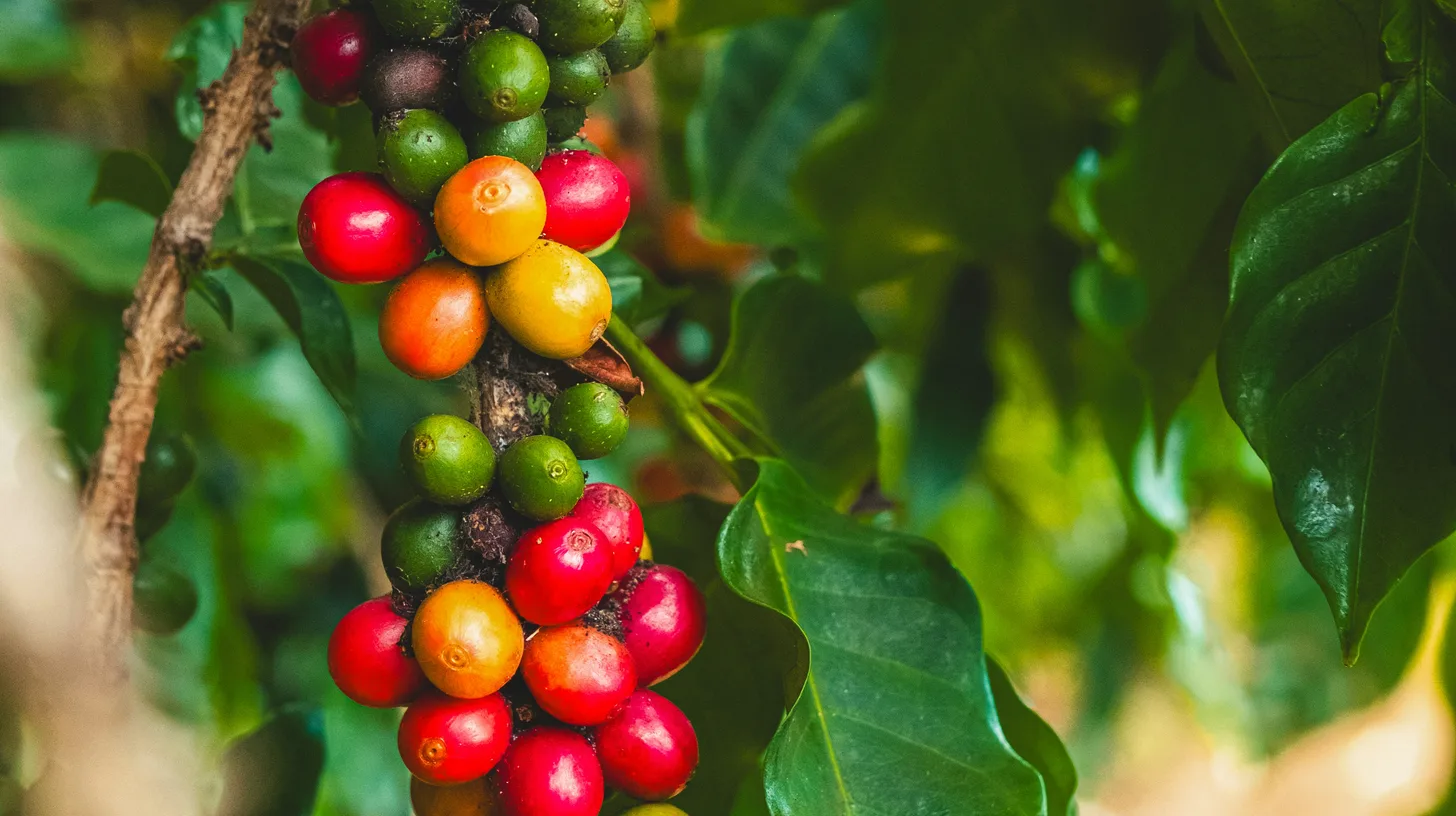
Coffee is a fruit
Coffee begins as a fruit growing on a tree.
The coffee seed, what we roast and brew, develops inside a cherry-like fruit called a coffee cherry.
Like grapes, apples, or berries, coffee contains natural sugars, acids, and aromatic compounds that vary depending on:
- variety
- climate
- elevation
- soil
- processing method
Those differences influence how the coffee eventually tastes in the cup.
Flavor compounds develop naturally
During roasting, heat transforms the chemical structure of the coffee bean.
Sugars caramelize, acids change, and aromatic compounds develop.
Some of those compounds resemble flavors we already recognize from fruits, chocolate, nuts, flowers, or spices.
That is why coffee tasting notes are usually comparisons rather than literal ingredients.
In a conventionally processed coffee, a blueberry note means the aroma, sweetness, or acidity reminds the taster of blueberry - not that blueberries were added.
Processing plays a major role
Processing methods can strongly influence fruit character in coffee.
For example:
- washed coffees often taste cleaner and brighter
- natural coffees can become more fruit-forward and intense
- honey processed coffees may show rounded sweetness and softer fruit notes
Fermentation during processing helps shape how these flavors develop before the coffee is even roasted.
There is an important exception: some co-fermented coffees are processed with fruit, spices, or another non-coffee material. Those coffees should be clearly disclosed so the customer can distinguish an adjunct-influenced process from naturally occurring tasting notes.
Roast level matters too
Roast development influences how clearly fruit characteristics appear.
Lighter and medium roasts often preserve:
- acidity
- floral notes
- origin character
Darker roasts emphasize:
- caramelization
- roast character
- bittersweet flavors
Neither approach is inherently better. They simply highlight different aspects of the coffee.
Why some coffees taste more fruity than others
Certain coffee-growing regions are especially known for fruit-forward profiles.
For example:
- Ethiopian coffees often show berry or citrus notes
- Kenyan coffees may have bright acidity and dark fruit character
- some co-fermented coffees can become intensely tropical or candy-like
Most of these profiles come from a combination of origin, traditional processing, and roasting. In a co-fermented coffee, a disclosed adjunct may also influence the flavor.
One common myth
Many people assume every fruity coffee has artificial flavoring. In conventionally processed coffee, fruit notes usually come from the coffee's variety, growing conditions, processing, and roasting. Co-fermented or post-roast flavored coffees are exceptions and should be labeled clearly.
Where we stand
At Pine Flat Roastery, we enjoy coffees that express natural sweetness, balance, and clarity.
Some coffees lean toward chocolate and caramel, while others highlight brighter fruit characteristics.
Part of what makes specialty coffee interesting is discovering how different origins and processes express themselves naturally in the cup.
Coffee tasting notes are not about memorizing flavors or searching for exact descriptions.
They are a way of describing what the cup reminds us of - while transparent processing information tells us how that flavor was developed.
Start with freshly roasted coffee.
Want to explore naturally expressive coffees? Explore our current roasts.
Continue learning
Frequently asked questions
- Why does coffee taste fruity?
- Fruit-like aromas come from compounds shaped by variety, growing conditions, fermentation, processing, and roasting. The tasting note is a comparison, not evidence that fruit was added.
- Are fruity coffee flavors added?
- Usually not. In conventionally processed specialty coffee, fruit notes describe flavor comparisons rather than ingredients. A co-fermented coffee may use fruit or another adjunct during processing, and that should be disclosed.
- What processing makes coffee taste fruity?
- Natural and some honey or experimental processes often emphasize fruit-like sweetness and aroma, though washed coffees can taste fruity too.
- Does light roast taste more fruity?
- Light and medium roasts often preserve more origin character, which can make fruit notes easier to taste.