What Makes Coffee "Specialty Coffee"?
The term "specialty coffee" appears everywhere now: on coffee bags, cafe menus, and online shops.
But what does it actually mean?
The Specialty Coffee Association (SCA) now defines it through distinctive attributes and the additional value those attributes create. That is broader than a flavor score alone.
The attributes may be in the cup - flavor, aroma, and texture - or in what we know about the coffee, including its origin, producer, processing, and traceability.
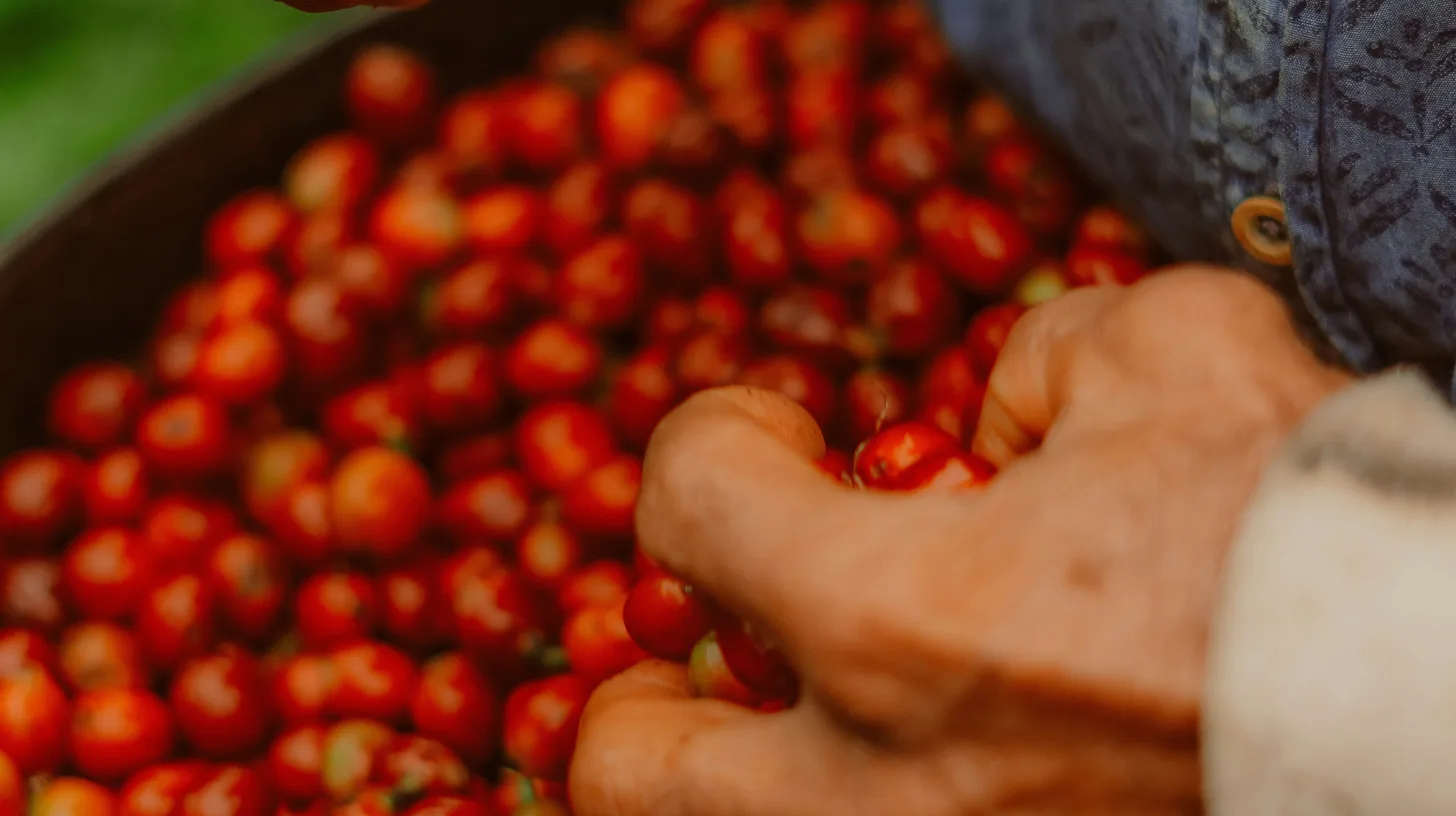
Specialty coffee starts at origin
Coffee quality begins long before roasting.
Factors like:
- elevation
- climate
- soil
- coffee variety
- harvesting practices
- processing methods
all influence how the coffee ultimately tastes.
Specialty coffee producers usually focus heavily on harvesting ripe cherries, careful processing, and preserving quality from farm to export.
Where the 80-point shorthand came from
For many years, the coffee trade commonly used a score of 80 or higher on a 100-point cupping scale as shorthand for specialty-grade coffee.
That older cupping approach asked trained tasters to evaluate qualities such as:
- fragrance and aroma
- flavor and aftertaste
- acidity
- body
- balance
- uniformity and a clean cup
- overall impression
You will still see 80-plus scores used by buyers and roasters, and they can be useful context. But 80 points is historical industry shorthand, not the SCA's complete current definition of specialty coffee.
The current definition goes beyond one score
The SCA now describes specialty coffee as coffee, or a coffee experience, recognized for distinctive attributes that give it meaningful additional value in the marketplace.
Some of those attributes are intrinsic: flavor, aroma, aftertaste, acidity, sweetness, and mouthfeel. Others are extrinsic, or informational: where the coffee came from, who produced it, how it was processed, its certifications, and how traceable it is.
This recognizes that people and markets do not all value the same flavor. A chocolate-forward coffee can be distinctive and valuable for different reasons than a floral, fruit-driven coffee.
How the Coffee Value Assessment works
The SCA created the Coffee Value Assessment (CVA) to record a fuller picture of a coffee instead of relying on one overall score alone.
It brings together four complementary assessments:
- physical - color, defects, moisture, and bean size
- descriptive - aroma, flavor, texture, and aftertaste
- affective - an evaluator's impression of quality for themselves or their market
- extrinsic - information such as origin, traceability, processing, and certifications
The CVA does not declare that one flavor style is universally best. It gives producers, buyers, roasters, and drinkers clearer language for understanding what makes a coffee distinctive and why people value it.
Physical quality still matters
Moving beyond a single score does not make careful green-coffee preparation or defect control less important.
Physical defects, poor drying, or unstable moisture can limit what a roaster can develop. Clean, well-prepared green coffee gives the coffee's desirable attributes a better chance to show clearly and consistently in the cup.
Roasting matters too
Even exceptional green coffee can taste poor if roasted carelessly.
Specialty roasting focuses on developing the coffee in a way that preserves:
- sweetness
- clarity
- balance
- origin character
Different coffees require different roast approaches depending on density, processing method, and flavor structure.
Brewing completes the process
The final cup still depends on brewing.
Grind size, water quality, freshness, and extraction all influence how the coffee ultimately tastes.
That is why specialty coffee often emphasizes the entire chain: farm, processing, roasting, and brewing.
One common myth
Many people assume specialty coffee simply means coffee that tastes fruity or highly acidic. In reality, no single flavor profile defines it. Specialty coffee is recognized for distinctive attributes and the value they create, whether the cup is bright and fruit-forward or chocolatey, smooth, and comforting.
Why small details matter
One of the defining characteristics of specialty coffee is attention to detail.
Small adjustments in:
- farming
- processing
- roasting
- brewing
can noticeably affect the final cup.
That attention is what allows coffee to express more sweetness, clarity, and individuality.
Where we stand
At Pine Flat Roastery, we approach specialty coffee as a craft rooted in balance and consistency.
We care deeply about sourcing, roast development, freshness, and brewing because each stage contributes to the final experience in the cup.
For us, specialty coffee is not about making coffee feel exclusive or complicated.
It is simply about treating coffee with care from start to finish.
Fresh roasting still matters
Fresh roasting helps preserve the aromatics and structure that make specialty coffee expressive.
Roasting after an order arrives, then packing and shipping shortly afterward, helps maintain:
- sweetness
- aroma
- clarity
- overall balance
from the roaster to the final brew.
Specialty coffee is not one score or one preferred flavor.
It is coffee recognized for distinctive attributes and the value they create, shaped by work from the farm through the roast and into the cup.
Start with freshly roasted coffee.
Want to explore specialty coffee roasted with care? Explore our current roasts.
Continue learning
Frequently asked questions
- What is specialty coffee?
- The SCA defines it through distinctive attributes that create additional value. Those attributes can include flavor and texture as well as origin, processing, traceability, and producer information.
- Does specialty coffee always taste fruity?
- No. Specialty coffee can taste fruity, floral, chocolatey, nutty, sweet, or comforting. Quality matters more than one flavor style.
- Why does specialty coffee cost more?
- It can reflect higher green-coffee prices for distinctive or traceable lots, careful processing, skilled roasting, freshness, and more work throughout the supply chain.
- Does specialty coffee have to score 80 points or higher?
- An 80-plus score remains common historical shorthand from the older 100-point cupping system. It can provide useful context, but the current SCA definition and CVA look beyond one score.
- Is specialty coffee worth it for beginners?
- Yes, especially if you want coffee that tastes fresh, balanced, and more expressive than typical grocery-store coffee.