How to Taste Coffee (Without Being Fancy)
Coffee tasting can sometimes sound overly technical.
You might hear words like floral, stone fruit, bright acidity, or syrupy body and wonder whether people are making things more complicated than they need to be.
But tasting coffee does not require a trained palate or special vocabulary.
Most of it simply comes down to paying attention.
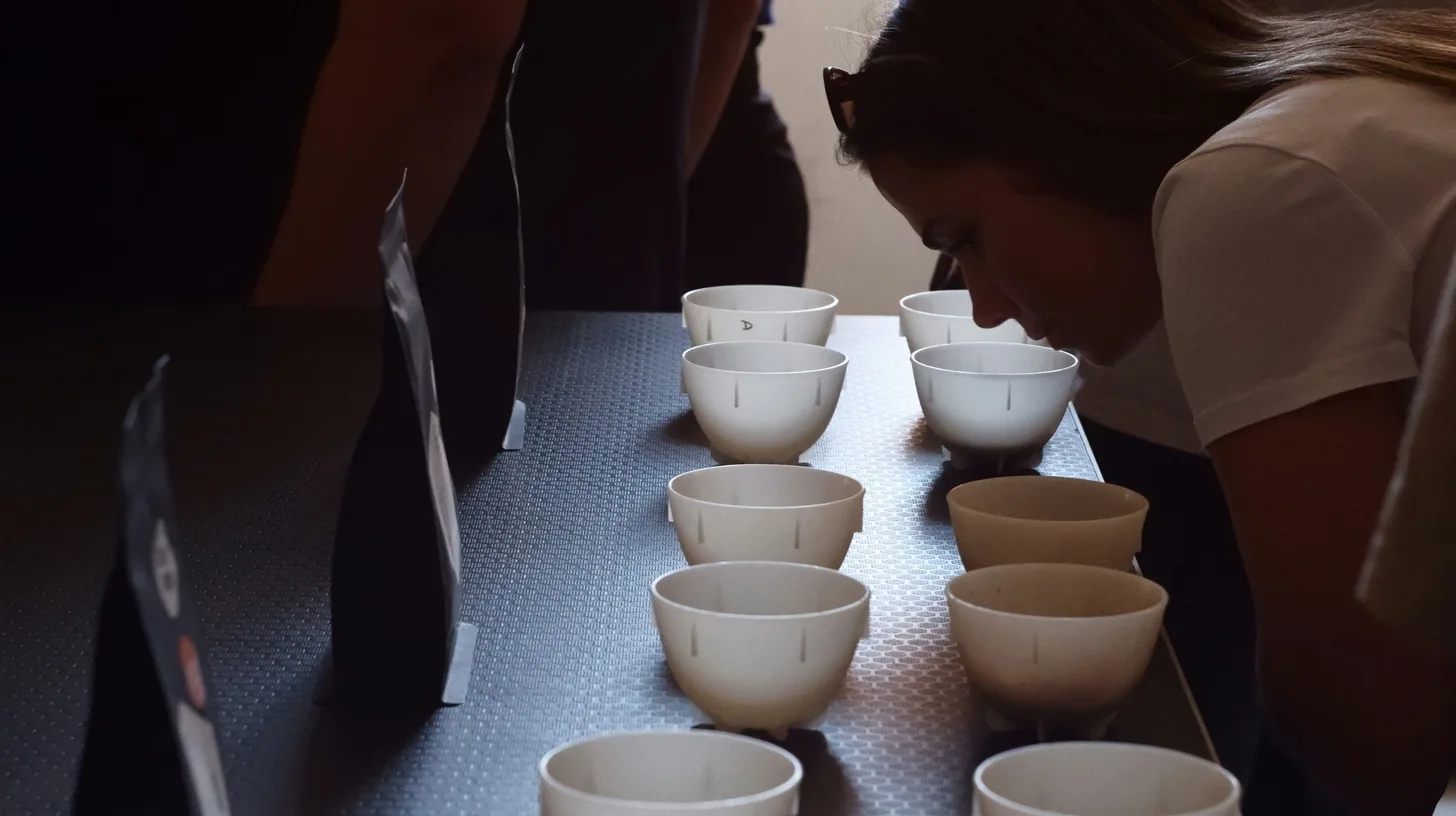
Coffee tasting is mostly comparison
One of the easiest ways to understand coffee is to compare two coffees side by side.
Even without experience, most people can notice differences like:
- lighter vs heavier
- brighter vs smoother
- sweeter vs more bitter
That's already tasting coffee.
The goal is not to identify obscure flavor notes. It's simply to notice how one coffee differs from another.
Start with the basics
When tasting coffee, we usually focus on a few simple things.
Sweetness
Does the coffee taste naturally sweet?
Sweetness is often one of the clearest signs of balanced roasting and extraction.
Acidity
In coffee, acidity does not mean sourness in a bad way.
It refers more to brightness and liveliness, similar to the freshness you notice in fruits like oranges or berries.
Some coffees are crisp and bright. Others are softer and rounder.
Body
Body describes how the coffee feels in your mouth.
Some coffees feel:
- light and tea-like
- smooth and balanced
- heavy and rich
Finish
After swallowing, what flavors remain?
Some coffees finish clean and quickly. Others linger longer with chocolate, sweetness, or fruit notes.
Why origin and processing matter
Different coffees naturally taste different.
A washed Colombian coffee may taste balanced and clean, while a natural Ethiopian coffee may feel more fruit-forward and expressive.
Processing, roast level, and brewing method all influence what ends up in the cup.
That's part of what makes specialty coffee interesting: small differences become easier to notice over time.
Taste slowly
One of the simplest ways to improve your palate is to slow down.
Instead of immediately drinking the cup while distracted, pause for a moment and pay attention to:
- aroma
- sweetness
- texture
- aftertaste
You do not need to analyze every sip. Even noticing one characteristic helps build familiarity.
One common myth
Many people assume tasting coffee requires a highly trained palate. In reality, most coffee tasting is simply learning to notice differences and describe what you enjoy. There is no correct way to experience flavor.
Brewing matters too
The same coffee can taste very different depending on how it is brewed.
Grind size, water quality, brew ratio, and freshness all influence the final cup.
That is why small adjustments at home can noticeably improve clarity and balance.
Fresh coffee makes tasting easier
Freshly roasted coffee tends to express more aromatics and clearer flavor separation.
As coffee ages, those flavors become flatter and more muted.
Brewing coffee within its ideal freshness window makes it easier to notice the characteristics that make each coffee unique.
Coffee tasting does not need to feel formal or intimidating.
A good cup, a little curiosity, and a few quiet minutes are usually enough to begin noticing what makes one coffee different from another.
Brew it with freshly roasted coffee
If you'd like to explore different flavor profiles at home, explore our current roasts.
We roast in small batches here in the Sierra Nevada and ship shortly after roasting so the coffee reaches you within its ideal flavor window, when sweetness, aroma, and clarity are at their best.
Continue learning
Frequently asked questions
- How do beginners taste coffee?
- Start by noticing simple things: sweetness, acidity, body, bitterness, and aftertaste. You do not need fancy flavor words to taste carefully.
- What does acidity mean in coffee tasting?
- Acidity is the bright, lively quality that can remind people of fruit. It should feel balanced, not harsh or sour.
- Why do coffee tasting notes sound different from what I taste?
- Tasting notes are comparisons, not added flavors. Your water, grinder, recipe, and palate can all change what stands out.
- Should coffee taste bitter?
- A little bitterness can be part of coffee, but harsh bitterness usually points to roast, grind, or brewing issues.