What Does "Roasted to Order" Actually Mean?
You will sometimes see the phrase "fresh roasted" on coffee bags.
But that phrase can mean different things depending on how the coffee is produced and distributed.
At Pine Flat Roastery, "roasted to order" has a specific meaning: we wait until we receive your order, then roast the coffee, pack it, and ship it shortly afterward.
The early resting period happens while the coffee is on its way to you, so it is designed to arrive around its preferred rest time - ready to brew and enjoy at its best.
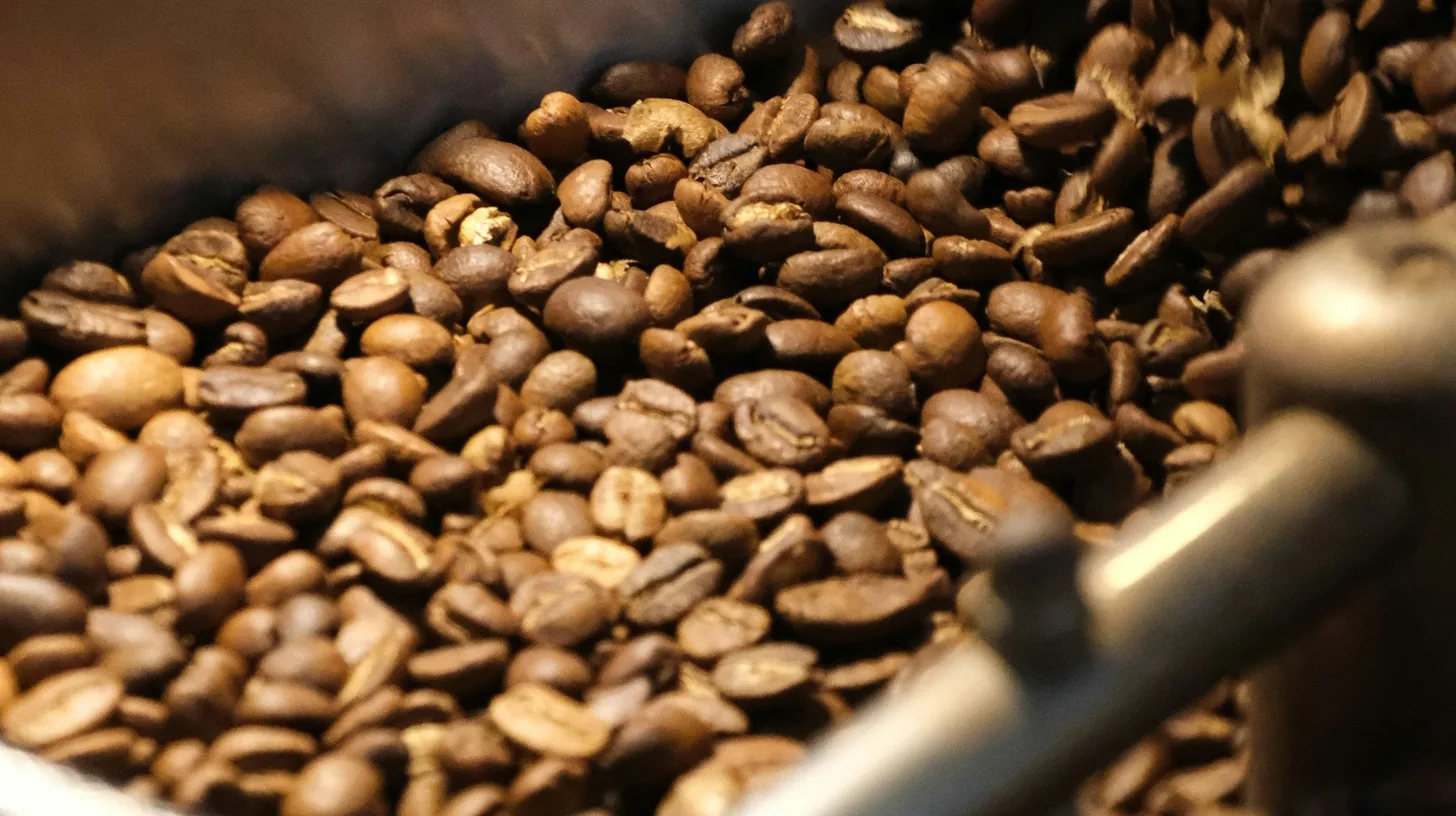
Coffee continues to change after roasting
Roasting drives browning reactions, changes acids and bean structure, and creates many of the aromatic compounds we associate with coffee.
Once the beans are cooled, roasting has stopped, but the coffee keeps changing as carbon dioxide diffuses out and aromatics gradually fade.
Many coffees become easier to extract after a short rest, once the most active degassing settles. The useful rest time varies with the coffee, roast level, and brewing method.
The flavor window
Coffee does not spoil immediately after roasting, but it does gradually lose its aromatics over time.
There is no single peak window that applies to every coffee. Some coffees open up after only a few days, while denser or lighter-roasted coffees may continue improving for longer. Brewing method, storage, and personal taste also matter.
For Pine Flat coffees, the goal is to use shipping time as the first part of that rest. The bag should arrive ready to enjoy, or very close to the point when its flavors are beginning to show clearly.
Roast date vs. "best by" date
Many grocery coffees show a "best by" date because they are designed for broad distribution and longer shelf life; that supply chain may take weeks or months.
A roast date answers a different question: when was this coffee roasted?
That gives you a reference for where the coffee sits within its changing flavor window.
Why we roast to order
We do not roast coffee in advance and wait for an order. We receive the order first, roast its coffee, then pack and ship it shortly afterward.
For shipped orders, that means the coffee completes the early part of its rest in transit instead of spending that time in storage before purchase. Our aim is for it to reach you around its preferred rest time, ready to brew in excellent condition.
This approach also keeps us closely connected to each roast batch, allowing us to monitor quality and make small adjustments when needed.
Precision and small-batch roasting
Small-batch roasting lets us develop and repeat a profile suited to the coffee and the machine.
We follow how each batch responds, compare the roast record with the finished cup, and refine when needed.
Roasting after an order arrives fits that approach while keeping the focus on freshness and repeatability.
One common myth
Some people assume coffee should be brewed immediately after roasting. In reality, many coffees benefit from some rest before brewing. Degassing can make extraction more even, but the ideal timing depends on the coffee, roast, and brew method. That is why roast dates are useful - they show where the coffee is in that changing flavor cycle.
When we say roasted to order, we mean it literally: your order comes first, then we roast, pack, and ship the coffee shortly afterward.
That timing lets the coffee rest on its way to you and helps it arrive ready to enjoy at its best.
Taste coffee at its peak.
Want to taste the difference? Explore our current roasts.
Continue learning
Frequently asked questions
- What does roasted to order mean?
- At Pine Flat, it means we receive your order first, roast the coffee, then pack and ship it shortly afterward rather than holding roasted inventory.
- Is coffee best right after roasting?
- Not always. Very fresh coffee can release enough gas to make extraction uneven, so many coffees taste more settled after some rest.
- How long should coffee rest after roasting?
- There is no universal number. The preferred rest time depends on the coffee, roast level, processing, and brew method. Pine Flat times roasting and shipping so the coffee arrives around its preferred window.
- Why does roast date matter?
- A roast date helps you understand where the coffee is in its freshness window, which is more useful than only seeing a distant best-by date.