How Water Changes Coffee Flavor
Coffee is mostly water.
In fact, a brewed cup of coffee is typically more than 98% water, which means the water itself plays a major role in how the final cup tastes.
Even with the same beans, grinder, and brewing method, changing the water can noticeably change the flavor.
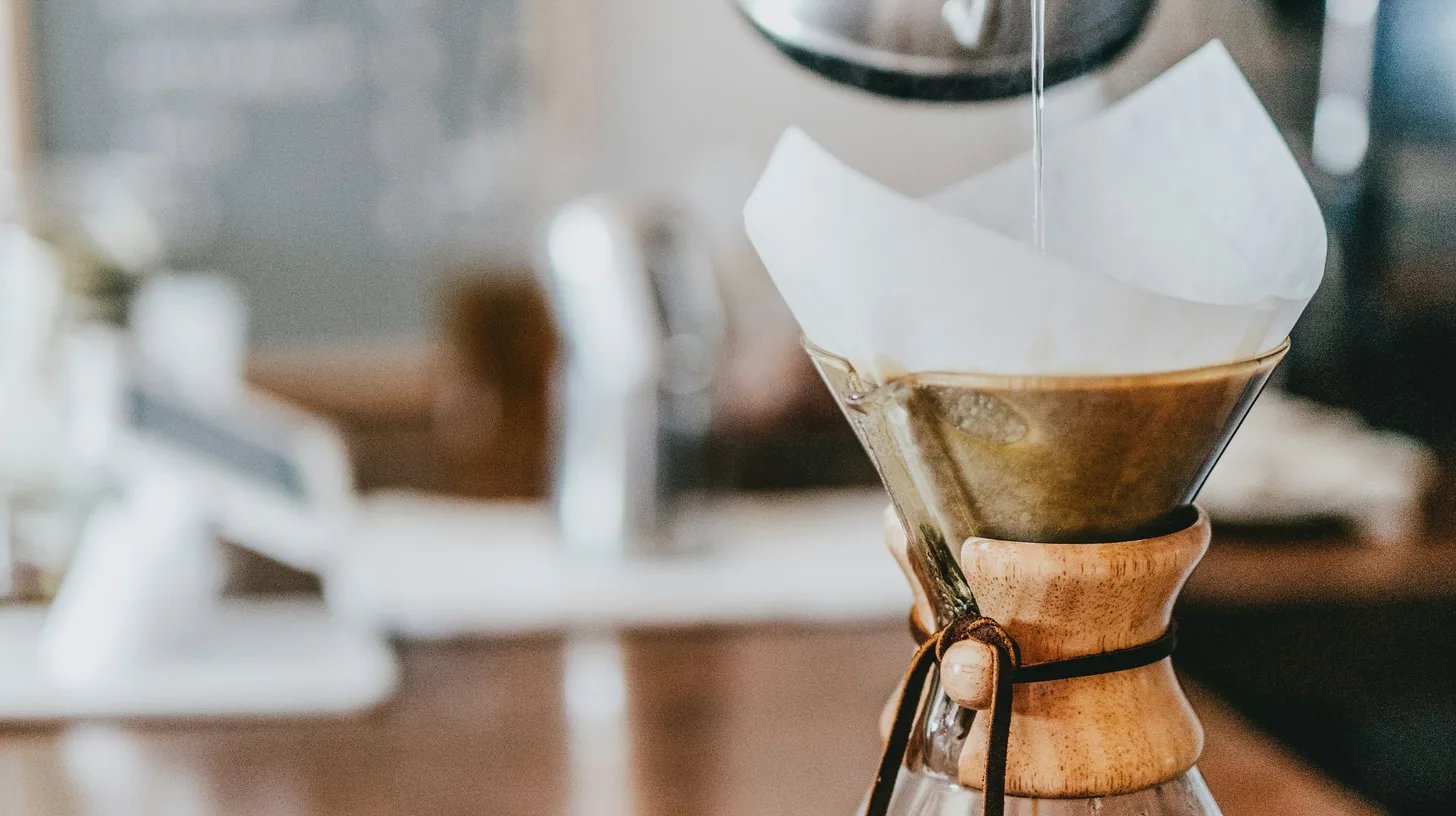
Water extracts flavor
When brewing coffee, water dissolves compounds from the ground coffee.
This process extracts:
- sweetness
- acidity
- aromatics
- bitterness
- body
The mineral content of the water affects how efficiently those flavors are extracted.
Some water helps produce balanced, expressive coffee. Other water can make coffee taste flat, dull, harsh, or overly sharp.
Hardness and alkalinity do different jobs
Two useful parts of water chemistry are hardness and alkalinity. They are related, but they are not the same thing.
Hardness mostly describes calcium and magnesium. These minerals affect extraction and can also create scale in kettles and coffee makers.
Alkalinity describes how strongly the water buffers acids, often because of bicarbonate. Too much can mute a coffee's brightness; too little can make acidity feel sharp or unbalanced.
Hard water
Hard water contains higher levels of dissolved minerals like calcium and magnesium.
A moderate amount can support extraction, but very hard water can create scale and may make a cup feel less clear. If the water also has high alkalinity, it may:
- mute clarity
- soften fruit-like acidity too much
- make coffee taste dull or chalky
Soft water
Soft water contains less calcium and magnesium, but it may still have high or low alkalinity. That is why the word "soft" does not tell the whole story.
Water with very little mineral content and very little buffering can sometimes produce coffee that tastes:
- thin
- weak
- sour
- under-extracted
The goal is balanced water, not the highest or lowest mineral number.
Chlorine matters too
Many municipal water systems use chlorine or chloramine for sanitation.
Even small amounts can interfere with coffee flavor and aroma.
This is one reason many cafes and specialty coffee shops use filtered water systems.
Why cafes often taste more consistent
Coffee shops usually control their water carefully.
Many cafes use filtration and mineral balancing systems designed specifically for coffee brewing. This helps create more consistent extraction from cup to cup.
At home, tap water quality can vary dramatically depending on location, season, and local infrastructure.
Simple improvements at home
The good news is that improving water does not need to be complicated.
Start by tasting your tap water on its own. If it tastes strongly of chlorine, metal, or minerals, a suitable filter or good-quality drinking water may improve:
- sweetness
- clarity
- balance
- consistency
A carbon filter can reduce many chlorine-related tastes and odors, but it usually does not soften hard water or set alkalinity to an ideal level. Not every basic filter removes chloramine, either, so check what the filter is certified to reduce.
If scale builds quickly or coffee stays dull after carbon filtration, the mineral balance may be the issue rather than the filter itself.
One common myth
Many people assume any household filter creates ideal brewing water. A filter may improve taste and reduce certain contaminants, but it does not necessarily change hardness or alkalinity. The right solution depends on what is in the water to begin with.
Why this matters for specialty coffee
Specialty coffee is often roasted to highlight subtle characteristics:
- sweetness
- fruit notes
- floral aromatics
- clarity of origin
Poor water can flatten or distort those characteristics before they ever reach the cup.
Good water helps preserve what the roasting process was designed to highlight.
Why it matters to us
At Pine Flat Roastery, we spend a great deal of time refining roast profiles to produce balanced and expressive coffee.
Water is ultimately what carries those flavors into the cup.
Even small improvements in brewing water can help reveal more sweetness, clarity, and balance in freshly roasted coffee.
Brewing better coffee at home is often less about perfection and more about removing small obstacles.
Sometimes the simplest improvement is the water itself.
Ready to brew?
Want coffee that rewards better water? Explore our current roasts.
Continue learning
Frequently asked questions
- What is the best water for brewing coffee?
- Use clean, good-tasting water with moderate mineral content and enough alkalinity to keep acidity balanced. Very hard or highly alkaline water can mute flavor, while water with almost no minerals or buffering can taste thin or sharp.
- Should I use filtered water for coffee?
- Filtered water is often a good choice if your tap water has an unwanted taste or odor. Check the filter specifications: a basic carbon filter may reduce chlorine but may not remove chloramine, soften hard water, or change alkalinity.
- Can distilled water make good coffee?
- Distilled water can dissolve and extract coffee, but water with no minerals or buffering often produces a cup that tastes thin, sharp, or flat. Many brewers add a measured mineral recipe to distilled water for more balanced flavor.
- Why does the same coffee taste different at home?
- Water chemistry, grind size, brew ratio, and temperature can all change flavor. Water is one of the biggest differences between home brewing and cafe brewing.