How Roast Development Shapes Sweetness
Sweetness is one of the most important parts of a good cup of coffee.
When coffee tastes balanced, round, and pleasant, sweetness is usually doing a lot of the work.
That sweetness is influenced by the green coffee itself, but roasting plays a major role in whether it shows up clearly in the cup.
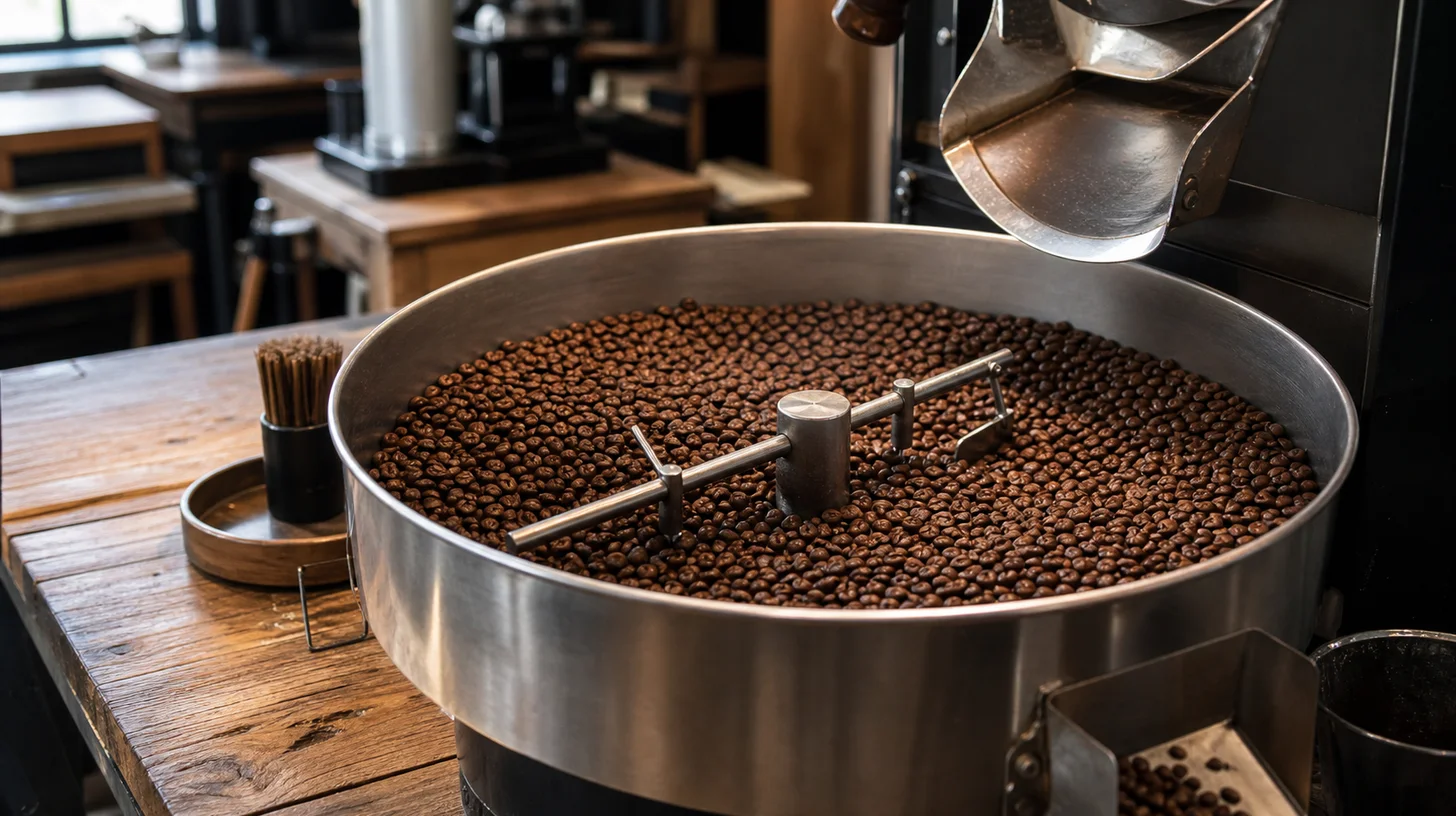
Coffee sweetness is not added sugar
When roasters talk about sweetness, they are usually describing the impression of sweetness in the cup.
Coffee contains natural sugars and many aromatic compounds that can remind us of caramel, honey, chocolate, fruit, or pastry.
Roasting transforms those compounds through heat, which is why timing and development matter so much.
Development begins before first crack
The whole roast matters, not just the final stage.
As coffee heats, moisture evaporates, acids change, sugars brown, and aromatics form.
By the time the coffee reaches first crack, much of the groundwork for sweetness and structure is already in place.
After first crack
After first crack, flavor development becomes especially sensitive.
Too little development can leave coffee tasting sharp, grassy, or thin.
Too much development can flatten origin character and push the cup toward bitter, smoky, or dry flavors.
The sweet spot is different for every coffee.
How roast level changes sweetness
Light roasts often preserve more acidity and origin character.
Medium roasts often bring more caramelization, roundness, and accessible sweetness.
Darker roasts can create deeper chocolate and roast-forward sweetness, but they can also become dry if pushed too far.
Balance matters more than color
Bean color can give a rough clue about roast level, but it does not tell the whole story.
Two coffees with similar color can taste very different depending on heat application, airflow, batch size, and how the roast moved through first crack.
That is why roast development is more useful to think about than color alone.
One common myth
Many people assume darker coffee is automatically sweeter because it looks more caramelized. In reality, darker roasting can deepen certain flavors, but it can also reduce perceived sweetness if the coffee becomes bitter, smoky, or dry.
Where we stand
Small batch roasting gives us more room to watch how the coffee responds.
At Pine Flat Roastery, we monitor bean temperature, airflow, timing, ambient temperature, and humidity so we can guide each roast toward sweetness without losing clarity.
The goal is not to chase one roast level for every coffee. The goal is to find the profile that makes that coffee taste complete.
Great sweetness in coffee comes from a chain of good decisions: quality green coffee, careful roasting, enough rest, and balanced brewing.
Roast development is where the roaster helps the coffee become expressive, sweet, and complete.
Taste careful roast development.
If you'd like to taste careful roast development in the cup, explore our current roasts.
Continue learning
Frequently asked questions
- What is roast development?
- Roast development is how heat continues shaping the coffee, especially around and after first crack. It affects sweetness, acidity, body, and finish.
- Does darker roast mean sweeter coffee?
- Not always. A darker roast can deepen caramelized flavors, but too much development can make coffee taste bitter, smoky, or dry.
- How do roasters develop sweetness?
- Roasters manage time, bean temperature, airflow, and heat application so sweetness develops without flattening the coffee.
- Can light roast coffee taste sweet?
- Yes. A well-developed light roast can taste very sweet when the green coffee is good and the roast is balanced.