How to Choose Coffee for Cold Brew
Cold brew is simple: coffee, water, time, and a good filter.
But the coffee you choose still matters.
Because cold brew extracts slowly at low temperature, it highlights different parts of a coffee than hot brewing does.
Choosing the right roast and grind can make the difference between a smooth glass and a flat, muddy one.
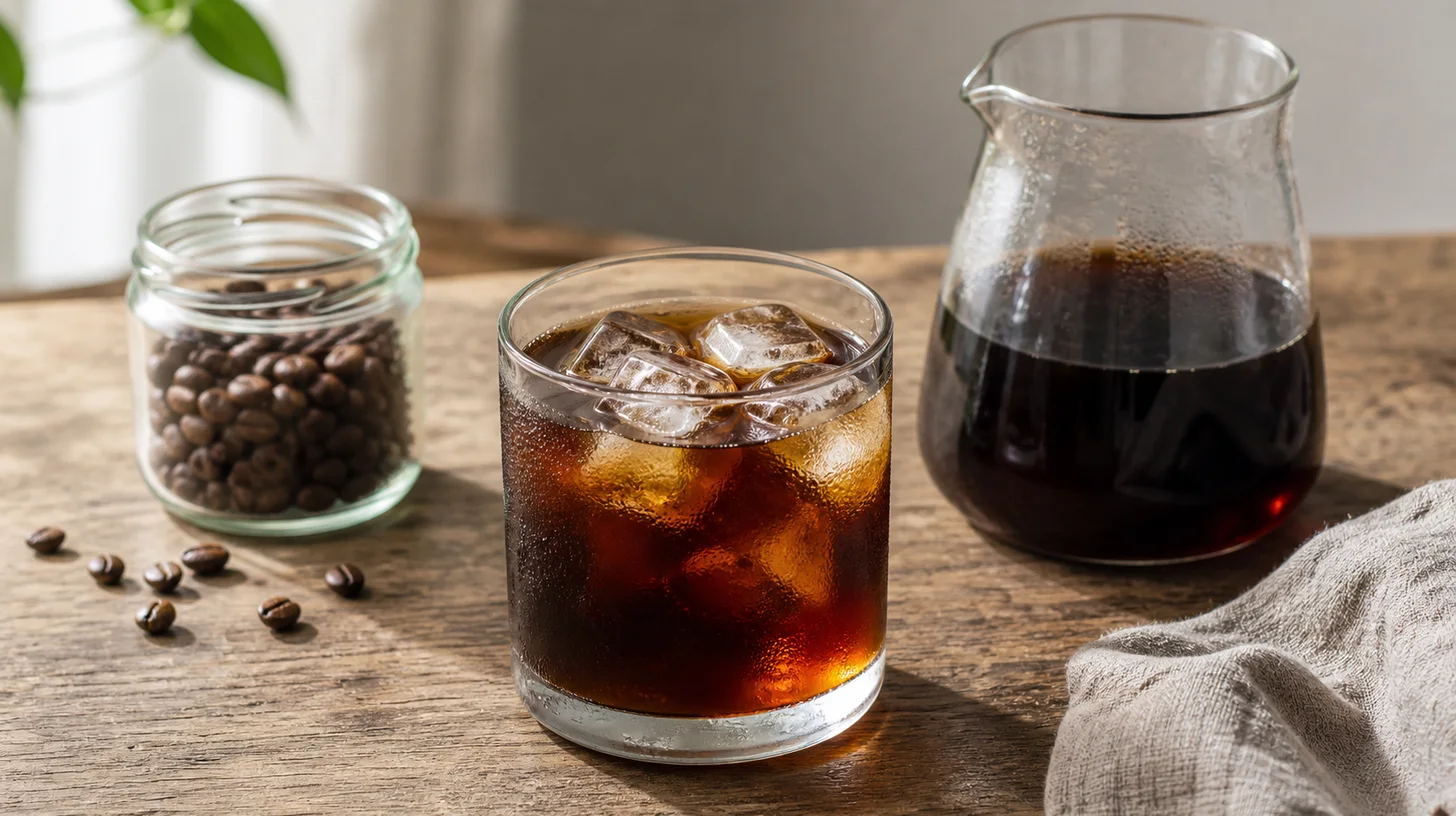
What cold brew emphasizes
Cold water extracts coffee more slowly than hot water.
That usually creates a cup with lower perceived acidity, a softer profile, and more emphasis on body and sweetness.
Bright or delicate notes can become muted, while chocolate, caramel, nutty, and dark fruit flavors often come through clearly.
Choose by the flavor you want
For a round, chocolate-and-caramel cold brew, start with a medium or medium-dark roast.
For a cleaner drink with more fruit character, try a sweet light or light-medium roast, especially a washed coffee.
For a bolder fruit profile, a natural or transparently labeled experimental process can be striking. Very dark coffee will bring more roast character; choose it when that bittersweet style is what you enjoy.
Grind size
For cold brew, start with a coarse grind.
A grind that is too fine can make filtering difficult and can leave the finished coffee silty or harsh.
A coarse grind gives the coffee room to extract slowly and cleanly over many hours.
A simple starting recipe
This 1:8 recipe makes a concentrate rather than a ready-to-drink glass:
- 100 g coarsely ground coffee
- 800 g cool filtered water
- at room temperature: steep about 12-16 hours
- in the refrigerator: steep about 18-24 hours
- filter well before serving
- start with 1 part concentrate and 1 part water or milk, then adjust to taste
Ice adds more dilution as it melts, so taste before adding extra water. If you want a ready-to-drink batch instead, use a ratio closer to 1:15 and adjust from there.
Store the finished brew cold
After steeping, filter the coffee and refrigerate it promptly in a clean, covered container.
For the best flavor, make an amount you can drink within about five to seven days. Keep the concentrate refrigerated rather than storing it at room temperature.
How to adjust the cup
If the diluted drink tastes weak, add more concentrate first. If the concentrate itself tastes thin, steep a little longer or grind slightly finer next time.
If it tastes muddy, improve the filtration or grind coarser. If it tastes too intense or bitter, dilute it more; if it also tastes harsh, shorten the next steep.
If it tastes flat, try a coffee with more natural sweetness or a slightly lighter roast.
One common myth
Many people assume cold brew requires old or inexpensive coffee because the method is forgiving. In reality, better coffee still makes better cold brew. The method may soften acidity, but it cannot create sweetness or aroma that is not there.
Where we stand
At Pine Flat Roastery, we like cold brew that stays smooth without losing character.
A balanced roast with chocolate, caramel, or gentle fruit notes usually gives cold brew enough depth while still feeling clean and refreshing.
Cold brew is easy to make, but it rewards good choices.
Choose for the flavor you want, grind coarse, know whether you are making concentrate, and keep the filtered brew refrigerated.
Ready to brew?
If you'd like a roast that works well over ice, explore our current coffees.
Continue learning
Frequently asked questions
- What coffee is best for cold brew?
- Choose a medium or medium-dark roast for a round, chocolatey cup, or a sweet light roast for a cleaner, fruitier one. The best choice depends on the flavor you want.
- What grind size should I use for cold brew?
- Use a coarse grind as a starting point. A finer grind can make the brew silty or harsh and is harder to filter cleanly.
- How long should cold brew steep?
- As a starting point, steep about 12-16 hours at room temperature or 18-24 hours in the refrigerator. Taste and adjust the next batch rather than treating either range as a fixed rule.
- Does cold brew need fresh coffee?
- It does not need coffee roasted the same day. Use well-roasted coffee within a good flavor window; cold brewing can soften some flavors, but it cannot restore aromatics that have already faded.
- How long does homemade cold brew keep?
- Refrigerate it promptly in a clean, covered container and aim to drink it within about five to seven days for the best flavor.