What Makes Espresso Different?
Espresso is one of the most recognizable coffee styles in the world.
It is also one of the most misunderstood.
Many people assume espresso is a different type of bean, darker coffee, or simply stronger coffee.
In reality, espresso is primarily a brewing method.
What makes espresso different is how the coffee is extracted.
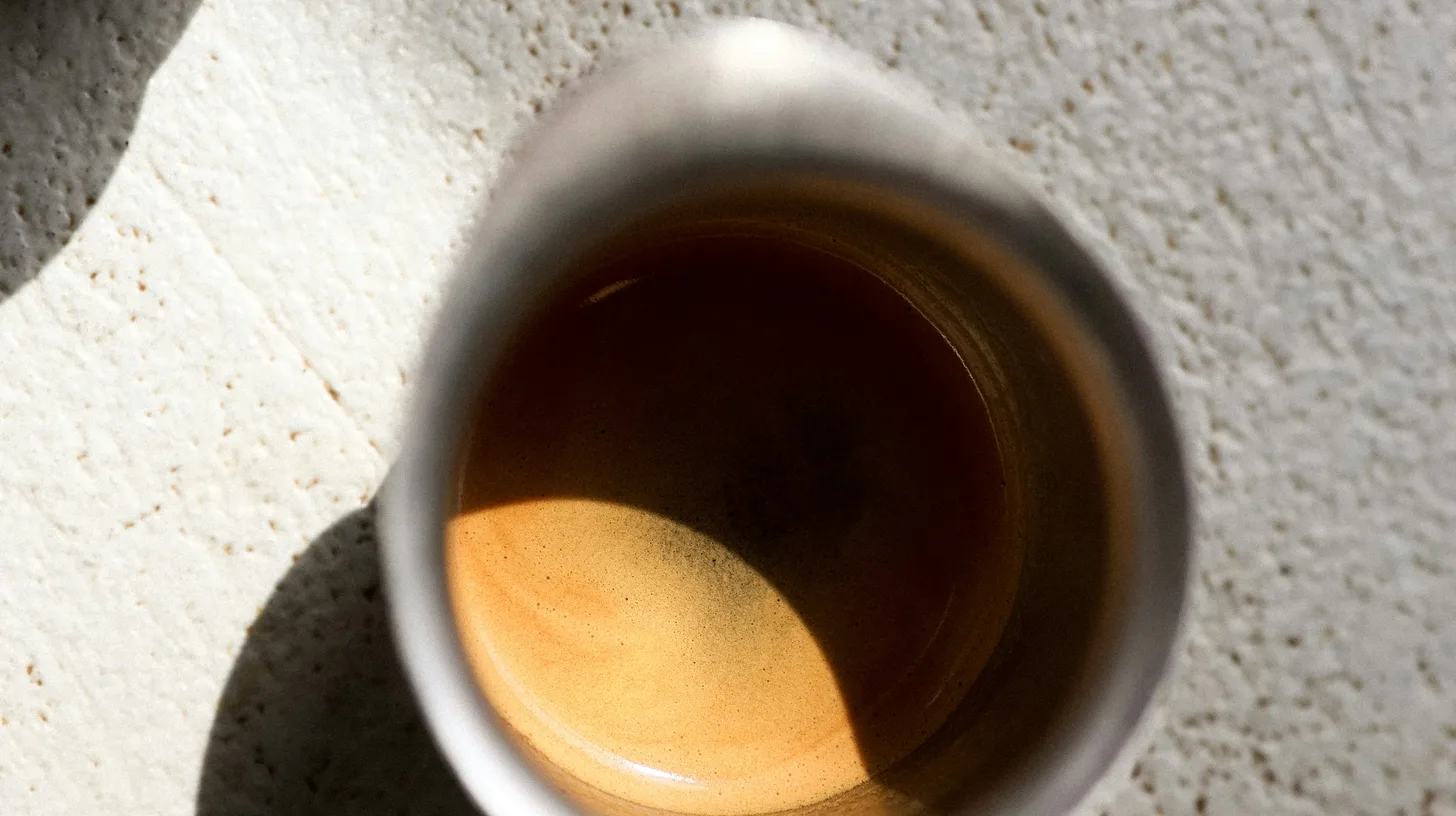
Espresso uses pressure
Many filter brewing methods rely mainly on gravity, while immersion methods let coffee steep in water.
Espresso uses pressure.
Hot water is forced through finely ground coffee at high pressure, usually around 9 bars, over a short period of time.
Because the extraction happens quickly and under pressure, espresso produces a concentrated coffee with:
- heavier body
- more intensity
- a thicker texture
- a layer of crema on top
Grind size is much finer
Espresso requires a much finer grind than drip or pour-over coffee.
The fine grind slows the flow of water enough for proper extraction during the short brew time.
Small grind adjustments can dramatically change the result.
If the grind is:
- too coarse, espresso may taste sour or weak
- too fine, espresso may flow too slowly or channel and taste dry, bitter, or uneven
This is one reason espresso can be more difficult to dial in consistently.
Brew ratios are different too
Espresso uses a much smaller water-to-coffee ratio than most brewing methods.
For example:
- V60 pour-over might use a 1:15 ratio
- espresso is often closer to 1:2
A typical espresso recipe may use 18 g of coffee, producing about 36 g of liquid espresso.
This concentrated extraction contributes to espresso's intensity and texture.
What is crema?
Crema is the golden-brown foam that forms on top of espresso.
It forms when pressurized brewing releases carbon dioxide in tiny bubbles that are stabilized by compounds extracted from the coffee.
Recently roasted coffee tends to produce more crema because it still contains more carbon dioxide. Coffee that is too fresh can produce excessive gas and make a shot harder to control.
While crema can contribute texture and aroma, it is not by itself a sign of quality.
Why espresso tastes stronger
Espresso often tastes stronger because it is more concentrated.
The flavor is compressed into a much smaller volume of liquid.
That does not necessarily mean espresso contains dramatically more caffeine per serving, although ounce for ounce it is more concentrated than drip coffee.
One common myth
Many people assume espresso requires very dark roast coffee. In reality, espresso can be roasted across a wide range of profiles, including light, medium, and dark roasts. Different roast levels simply emphasize different flavor characteristics in espresso.
Espresso still reflects the coffee itself
Even though espresso is highly concentrated, origin and processing still matter.
A washed Colombian espresso may taste balanced and chocolatey, while a natural Ethiopian espresso may become brighter and more fruit-forward.
The brewing method changes the intensity, but the character of the coffee still comes through.
Where we stand
At Pine Flat Roastery, we approach espresso the same way we approach all coffee: balance first.
We generally prefer espresso profiles that maintain sweetness, clarity, and texture without becoming overly bitter or harsh.
A good espresso should feel concentrated and expressive while still remaining enjoyable to drink.
Espresso benefits from rest
Espresso is especially sensitive to the amount of carbon dioxide still leaving the beans.
Coffee often becomes easier to dial in after it has rested for several days. Too fresh, and gas can disrupt water flow and create unstable shots; too old, and aromatics and crema fade.
The useful rest window varies with the coffee, roast profile, packaging, and espresso recipe. The goal is not the newest possible coffee, but coffee that has degassed enough to brew evenly while still tasting lively.
Espresso may look very different from pour-over coffee, but the fundamentals remain the same: properly rested coffee, balanced extraction, and careful attention to detail.
Brew better espresso.
Want coffee that works beautifully as espresso? Explore our current roasts.
Continue learning
Frequently asked questions
- What makes espresso different from regular coffee?
- Espresso uses pressure, a fine grind, a short brew time, and a small brew ratio to create a concentrated cup.
- Does espresso have more caffeine?
- Espresso is more concentrated, but a single shot often has less total caffeine than a full cup of drip coffee.
- Do you need dark roast for espresso?
- No. Light, medium, and dark roasts can all work for espresso if the roast and recipe are dialed in.
- Why does espresso taste stronger?
- Espresso tastes stronger because it is brewed as a concentrated drink with less water per gram of coffee.